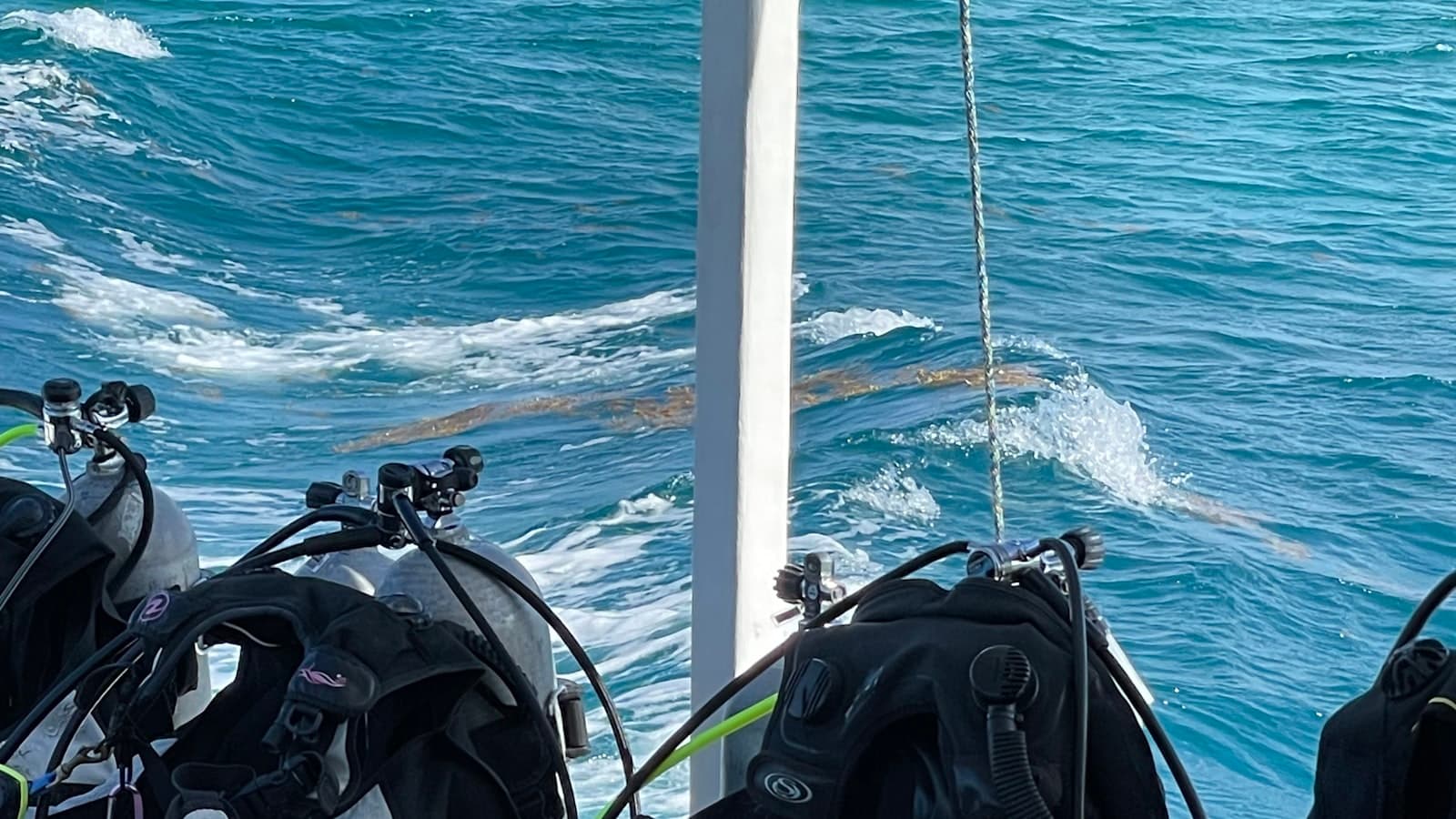
What to wear and pack for diving in Naha: from meeting point to the trip back
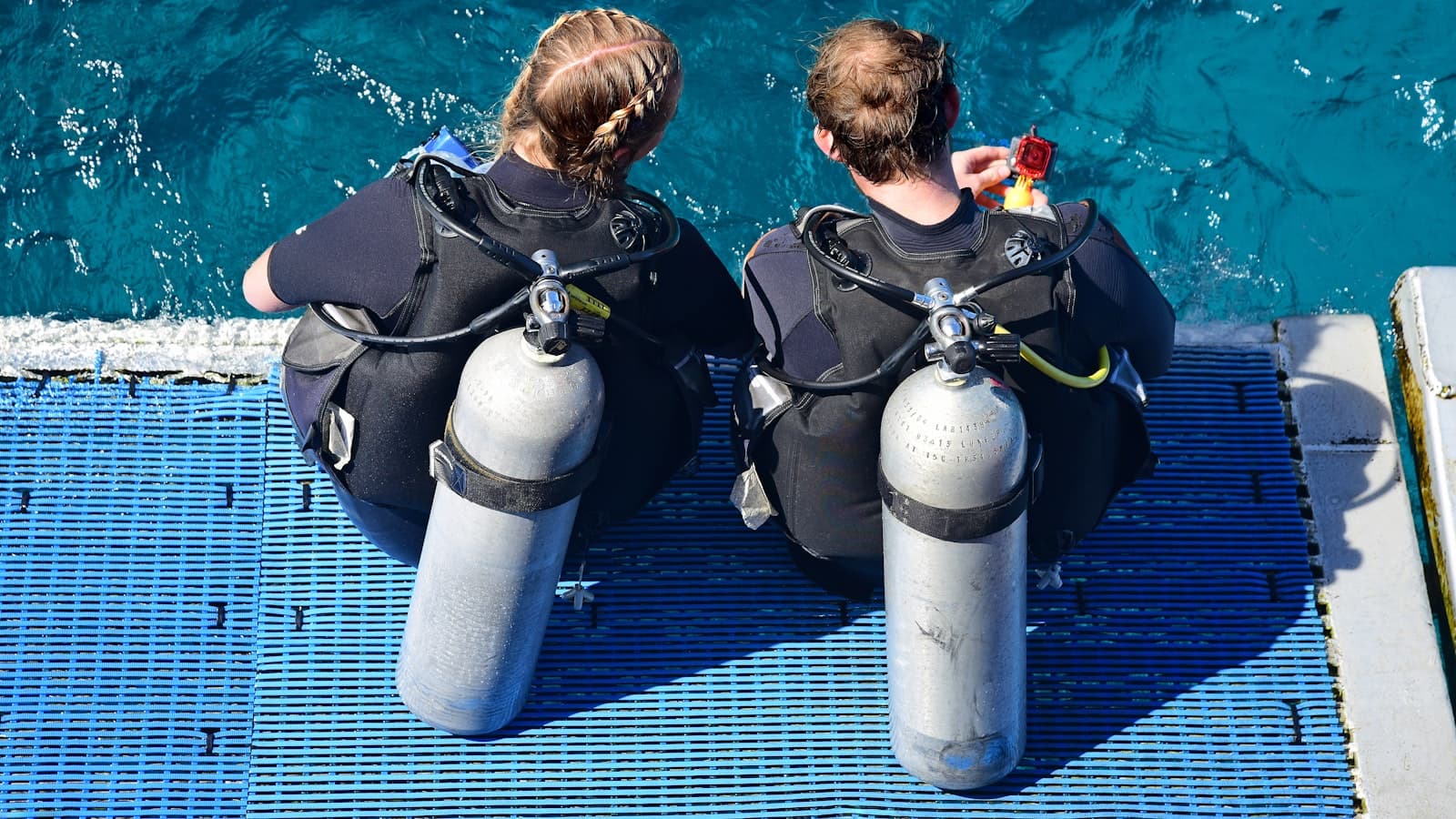
For a diving day in Naha, pack swimwear, a towel and dry clothes, and arrive in clothing that is easy to change out of. This guide combines clothing and packing advice in the order you will need it: before meeting, on the boat and after returning to port.
If you are staying in Naha, you may travel from your hotel to the harbour. Decide where you will change, how you will carry wet items and what you will do afterwards, as well as what to wear. Facilities and inclusions vary by plan; follow the instructions from your booked operator.
Start with clothing and essential items
Prepare swimwear, a towel and dry clothes including underwear before leaving. If you plan to rent equipment or a towel, check availability and charges.
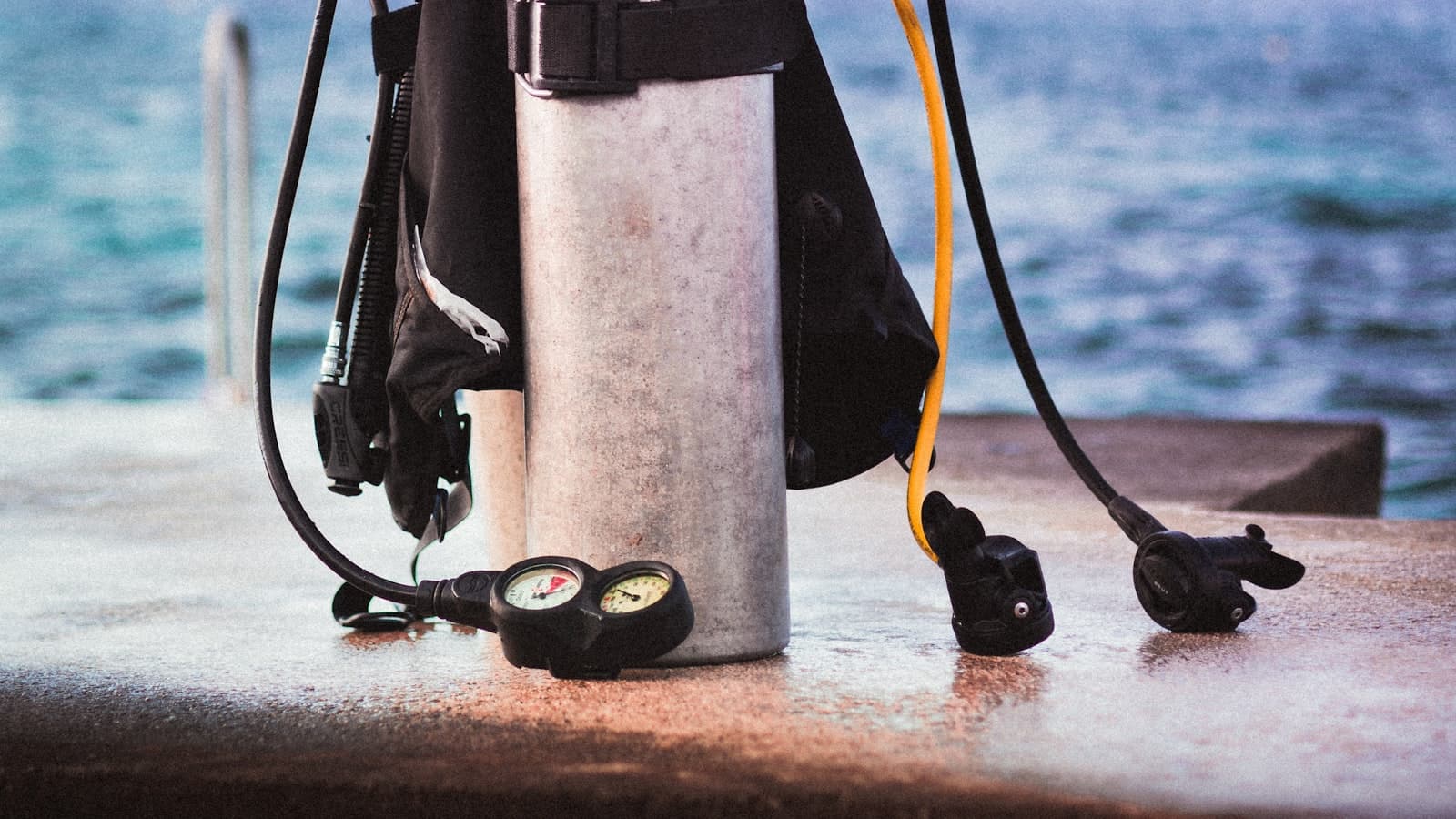
| Item | What to check |
|---|---|
| Swimwear | Easy to change and not bulky under a wetsuit |
| Towel | Bring your own or confirm rental |
| Dry clothes | A complete change including underwear; consider whether you need a spare |
| Wet-item bag | Keeps used swimwear and towels separate from dry belongings |
| Extra layer | Suitable for wind on the boat and feeling cold after returning |
| Footwear | Appropriate for the meeting point and boarding the boat |
| Drinks | Provided during the tour or required from you |
| Required documents | Booking confirmation, certification or other documents requested by the operator |
An advertisement saying “come empty-handed” does not necessarily include swimwear or a change of clothes. Introductory dives and fun dives for certified divers may have different rental inclusions. Ask about your exact course.
PADI’s beginner preparation guide also recommends bringing swimwear, a towel and dry clothes, and asking the shop what it provides.
Before-you-leave checklist
- Pack swimwear and clothes for afterwards, including underwear
- Confirm whether to bring or rent a towel
- Separate a bag for wet items from protection for dry belongings
- Choose layers and footwear for the meeting point
- Check the meeting time, location and required documents
- Confirm transfers, luggage storage and onward travel
If you forget something, contact the shop before arriving to ask about borrowing it. Allow for any time needed to buy a towel or swimwear and discuss whether you can still reach the meeting point on time. Do not assume you can participate without required documents.
Changing clothes from arrival to the journey back
Wear easy-to-remove clothes over your swimwear, and prepare dry clothes for the return journey.
| Stage | Clothing and luggage considerations |
|---|---|
| Hotel to meeting point | Wear clothes over swimwear that allow easy movement and changing |
| Preparing at the shop or harbour | Locate the changing area; separate valuables from items that can get wet |
| Boat travel and breaks | Keep a layer for spray and wind within reach |
| Back at port, after showering | Towel off and change into dry clothes, including underwear |
| Going for a meal or sightseeing | Bag wet items separately; wear clothes and shoes suited to your next destination |
Do not assume you should wear a wetsuit from your hotel. Follow the day’s instructions about where to put it on. Check whether decorations, large metal fittings or easily lost accessories interfere with putting on equipment or managing your belongings.
Changing rooms, showers, hairdryers and lockers are not guaranteed. Facilities can also differ between harbour and shop meeting points. Mention requests such as showering before sightseeing when booking.
Add seasonal clothing and supplies
In summer, prepare for sunlight; in winter, prioritise dry clothes after getting wet and protection from wind.
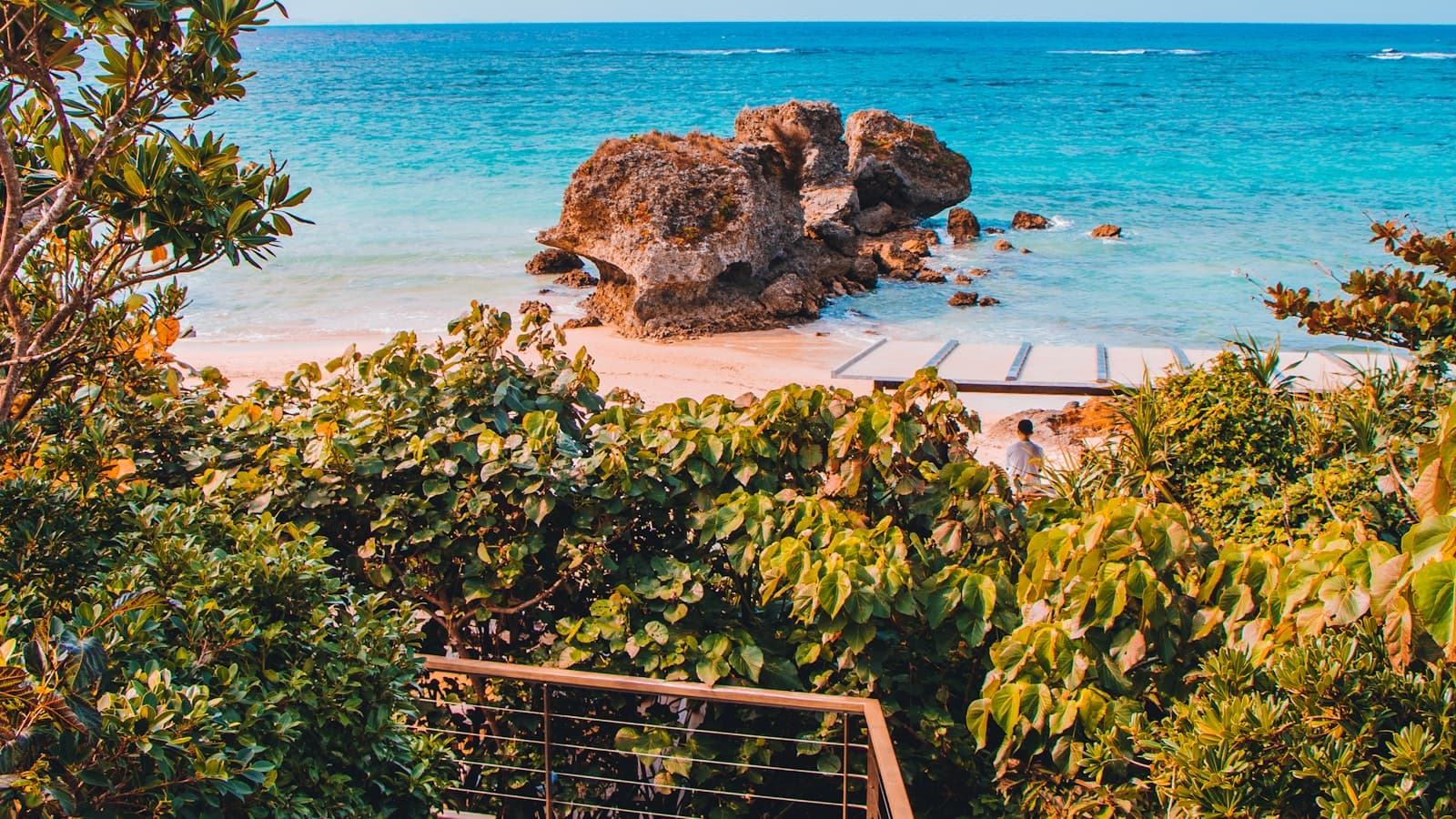
Summer: meeting and boat time
Bring a hat, a layer for sun protection and drinks. Secure hats and sunglasses against the wind rather than leaving them loose on the boat. Bring clothes for meeting and travelling instead of planning to wait for a long time in swimwear.
Include clothing and shade in your sun-protection plans. Check the location’s and operator’s sunscreen rules. A “reef-safe” label alone does not guarantee no environmental impact.
Winter: meeting and returning to port
Keep a wind-resistant jacket, layers and dry clothes accessible. Clothing for warmth on land serves a different purpose from underwater suits and undersuits. Do not assume an everyday thermal layer is suitable underwater; ask the shop about equipment.
Wetsuit thickness alone cannot guarantee everyone’s comfort. Tell the shop beforehand if you are concerned about the cold and discuss equipment and how to spend surface breaks.
Spring and autumn: adjustable layers
Bring a light layer and dry clothes to adapt between mornings, evenings and daytime. Even when it feels warm outside your hotel, the boat may be windy. Keep your layer in an accessible small bag rather than at the bottom of your travel luggage.
Check equipment rental and personal preparation
When booking, confirm available equipment, sizes, photography services and what is included in the price.
Do not assume rentals are free
Check masks, fins, wetsuits and towels individually. For prescription masks or children’s equipment, share your usual sizes and requirements early. If the price list is unclear, use the extra-fee breakdown (Japanese) to prepare questions.
Glasses, hair and makeup
If you wear glasses, ask about prescription masks and how to reserve one. If considering contact lenses, consult your eye doctor and the shop about suitability for your eyes, and consider bringing your everyday glasses and spares.
Tie hair away from the mask seal and check where the strap sits. Expect makeup to come off with water and mask use; keep items for afterwards in a dry bag. See the makeup and hair guide (Japanese) for further preparation.
Cameras and valuables
Ask whether you may bring camera equipment and whether a photo service is included. A waterproof phone pouch is not the same as a diving-rated underwater housing. Check the product’s depth rating and conditions of use, and ask the staff about using it.
For medication and health-related preparation, consult a doctor or pharmacist and your operator instead of following one-size-fits-all advice recommending particular medicines.
Divide luggage between hotel, shop and boat
Separating bags for the boat, items stored at the shop and luggage left at the hotel makes essentials easier to reach.
Allowed bag sizes and storage arrangements vary by tour. Do not assume large suitcases can be brought aboard. Ask whether the transfer vehicle can carry them, whether the shop can store them and where you will collect them afterwards.
| Bag | Example contents | Check in advance |
|---|---|---|
| Small, accessible bag | Towel, layer, drinks | Permitted size on the boat |
| Bag for after returning | Dry clothes, underwear, personal-care items | Storage and changing location |
| Wet-item bag | Used swimwear and towel | Separation from dry belongings |
| Large travel luggage | Items for sightseeing and accommodation | Hotel/shop storage terms and collection time |
If going directly from the airport, check the transfer area and flight-delay arrangements first. See diving on your arrival day in Okinawa for transport considerations, and the Naha Airport last-day itinerary guide (Japanese) for a day with an onward flight.
Confirm facilities and the total price before booking
Finish your clothing and packing preparations by checking the specific plan’s meeting point, facilities and itemised price.
Even among Naha departures, a course that prepares at the shop before boarding differs from one that meets directly at the harbour. Along with swimwear, towels and dry clothes, confirm changing rooms, showers, luggage storage and transfers.
Compare the total including equipment rental and photography services. Check current facilities on the booking page and in the operator’s latest instructions, and ask about unclear items before booking.
First-timers can also read the Naha beginner guide (Japanese); for scheduling, see choosing a Naha half-day plan (Japanese).
Frequently asked questions
- Start with swimwear, a towel, dry clothes including underwear, and a bag for wet items. Follow your operator’s instructions for layers, drinks, required documents and any equipment you must bring.
- Easy-to-remove clothes over swimwear can make preparation easier. Ask your operator whether changing rooms are available and where and when to change.
- Bring dry clothes plus a wind-resistant jacket and adjustable layers. Check underwater suits and undersuits with the shop for the day’s conditions and its requirements.
- Inclusions vary between introductory dives, courses and fun dives for certified divers. Check wetsuits, masks, fins, towels and prescription masks individually.
- Vehicle capacity and shop storage depend on the operator. Tell them the number and size of bags, your meeting point and your destination after the tour when booking.
- Ask about prescription-mask availability and reservations. Check whether camera equipment is allowed, and verify its depth rating and housing specifications before bringing it.